Why Schools Should Prioritize Early Screening for Learning Differences


Understanding Learning Differences
Every child learns differently. While some excel in traditional classroom settings, others may struggle due to learning differences such as dyslexia, ADHD, or autism. Recognizing these differences early can make a profound impact on a student's educational journey.
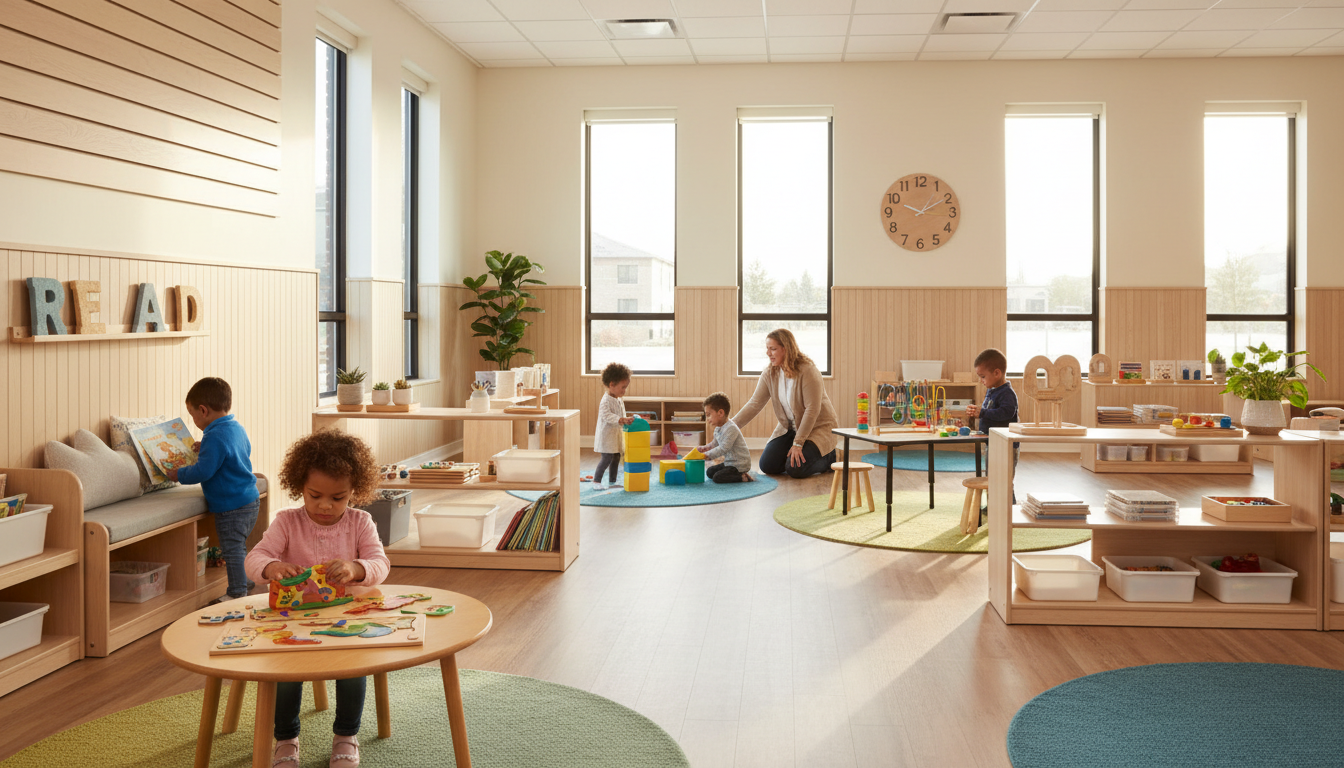
The Importance of Early Screening
Early screening for learning differences is crucial in identifying students who may need additional support. By detecting these needs early, schools can implement tailored interventions that help students reach their full potential. This proactive approach can prevent future academic struggles and boost confidence.
Benefits of Early Intervention
Screening for learning differences at a young age can lead to numerous benefits:
- Improved Academic Performance: Tailored support helps students understand and retain information better.
- Increased Self-Esteem: Early success fosters a positive self-image and reduces feelings of frustration.
- Better Social Skills: Students learn to communicate effectively and interact with peers.

Challenges in Implementation
While the benefits are clear, schools may face challenges when implementing early screening programs. Limited resources, lack of trained staff, and budget constraints can hinder efforts. However, the long-term benefits of investing in early screening far outweigh the initial hurdles.
Strategies for Effective Screening
To successfully integrate early screening for learning differences, schools can consider the following strategies:
- Professional Development: Train teachers and staff to recognize signs of learning differences.
- Parental Involvement: Engage parents in the process to ensure a supportive home environment.
- Collaboration with Specialists: Partner with psychologists and special educators for expert guidance.

The Role of Technology
Technology plays a vital role in identifying learning differences. Digital tools and software can assess and track student progress, making it easier to pinpoint areas of concern. These tools can also provide personalized learning experiences that cater to individual needs.
Conclusion: A Path to Success
Prioritizing early screening for learning differences is an investment in a child's future. By addressing these needs proactively, schools can create an inclusive environment where every student has the opportunity to succeed. It's not just about academic achievement; it's about nurturing well-rounded, confident individuals.