What is Involved in a Neurodiverse Educational Assessment?


Understanding Neurodiverse Educational Assessments
Neurodiverse educational assessments are essential tools for understanding the unique learning profiles of individuals with conditions such as autism, ADHD, dyslexia, and other neurodiversities. These assessments provide valuable insights that help educators tailor learning strategies to support each student's needs effectively.

Components of a Neurodiverse Assessment
A comprehensive neurodiverse educational assessment typically involves several key components. These assessments are designed to evaluate various cognitive, emotional, and social factors that can impact learning. The process often includes:
- Interviews with parents and teachers to gather background information.
- Observations in multiple settings to understand behavior and interaction.
- Standardized testing to measure specific cognitive skills and abilities.
Each component plays a critical role in painting a complete picture of the student's strengths and challenges, enabling educators to develop personalized educational plans.
Importance of Tailored Interventions
One of the most significant benefits of neurodiverse educational assessments is the ability to create tailored interventions. By identifying specific areas where a student may struggle, educators can implement strategies that address those challenges directly. This personalized approach not only enhances learning outcomes but also boosts the student's confidence and engagement in the classroom.

For example, a student with dyslexia might benefit from multi-sensory reading programs, while a student with ADHD may find success with structured routines and clear, concise instructions.
The Role of Technology in Assessments
Technology plays a crucial role in modern neurodiverse educational assessments. Tools such as computer-based testing and data analytics provide deeper insights into learning patterns and progress. These technological advancements allow for more accurate and efficient assessments, ensuring that interventions are based on robust data.
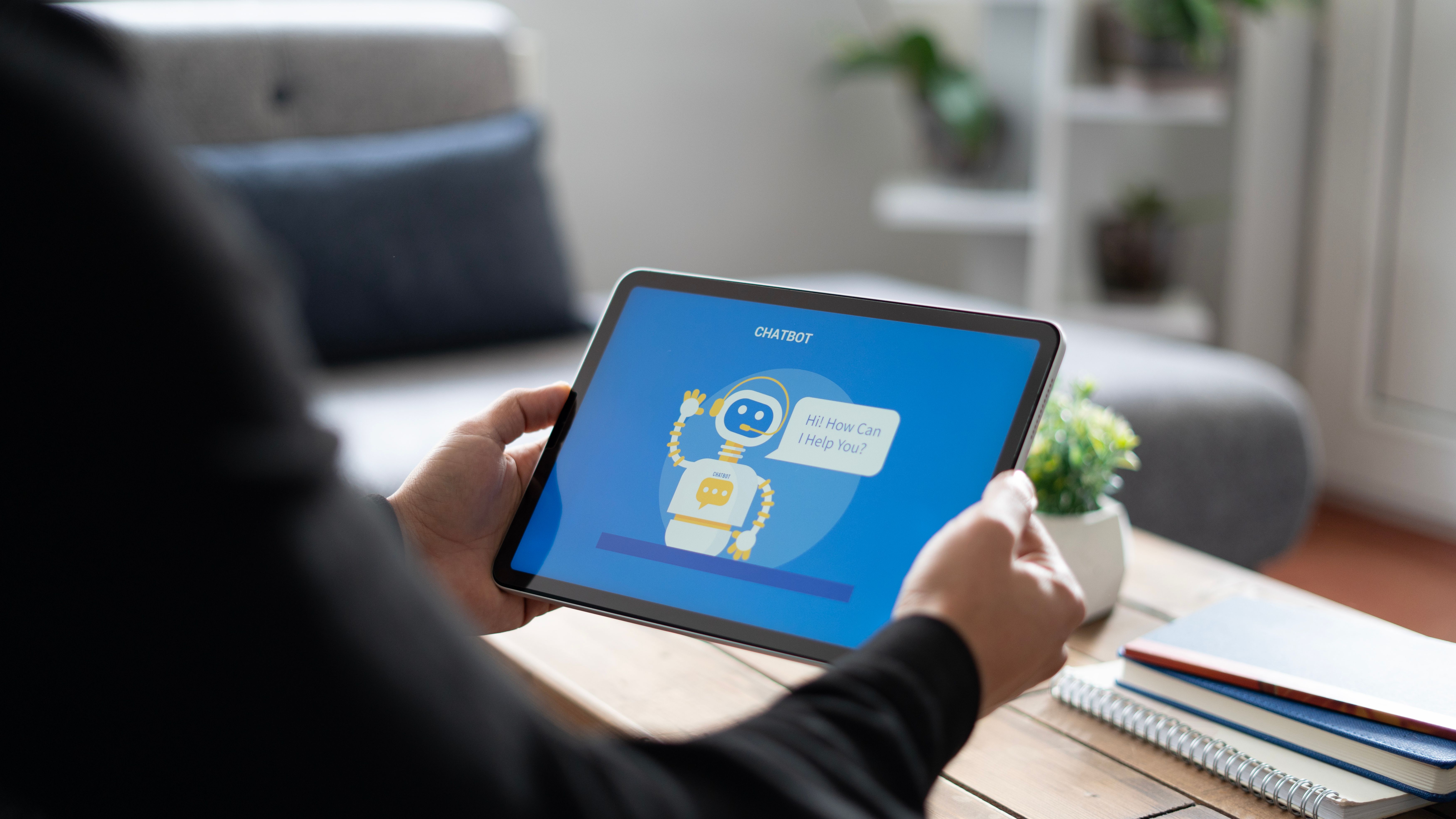
Furthermore, technology can facilitate ongoing monitoring and adjustments to educational plans, ensuring that strategies remain effective as the student grows and develops.
Collaborative Efforts for Success
The success of neurodiverse educational assessments often relies on collaboration among educators, parents, and specialists. By working together, these stakeholders can share valuable insights and ensure that the student receives consistent support both at school and at home.
Regular communication helps to align strategies and make necessary adjustments, fostering an environment where the student can thrive.
Conclusion
Neurodiverse educational assessments are a powerful tool in creating inclusive and effective learning environments. By understanding and addressing the unique needs of neurodiverse students, educators can unlock their potential and pave the way for a fulfilling educational journey.
As awareness and understanding of neurodiversity continue to grow, these assessments will play an increasingly vital role in shaping the future of education.