The Role of AI in Revolutionizing Neurodiverse Education


Understanding Neurodiversity in Education
Neurodiversity refers to the diverse spectrum of human brain structures and functions, highlighting the uniqueness of each individual's cognitive abilities. In the context of education, it encompasses conditions such as autism, ADHD, dyslexia, and more. Educators face the challenge of creating inclusive environments that cater to these diverse learning needs.
Traditional educational models often fall short in addressing neurodiverse learners. This is where artificial intelligence (AI) steps in, offering innovative solutions to tailor educational experiences to individual needs.
AI-Powered Personalization
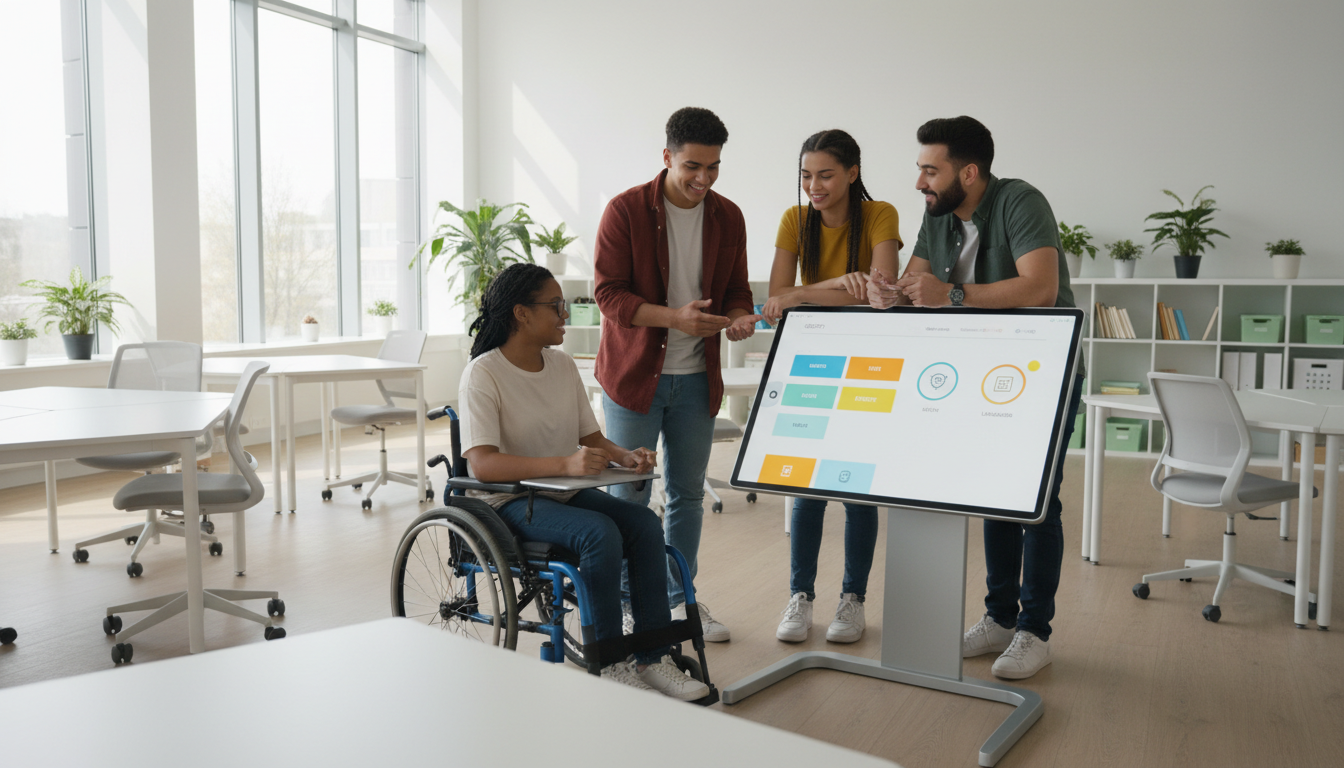
One of the most significant contributions of AI in education is its ability to provide personalized learning experiences. Through data analysis and machine learning algorithms, AI can assess a student's unique strengths, weaknesses, and learning styles. This enables the creation of customized educational plans that enhance engagement and comprehension.
For neurodiverse students, this means access to resources and teaching methods that align with their cognitive preferences. AI can adapt content delivery, adjusting the pace and style to suit each learner, thereby fostering an inclusive and supportive learning environment.

Enhancing Communication and Interaction
Communication can be a significant barrier for neurodiverse students. AI technologies, such as speech recognition and natural language processing, are revolutionizing how these students interact with their peers and educators. Tools like AI-driven communication apps can assist non-verbal students in expressing themselves more effectively.
Moreover, AI can facilitate better interaction by translating complex instructions into simpler language or providing visual aids, ensuring that all students have equal access to information.

Monitoring Progress and Providing Feedback
AI systems can continuously monitor a student's progress, identifying areas where they may be struggling. This real-time feedback is invaluable for educators, allowing them to intervene promptly and adjust teaching strategies accordingly.
By analyzing patterns in a student's learning journey, AI can offer insights that lead to more effective pedagogical approaches, ultimately supporting the student's educational development.
Supporting Educators
AI not only benefits students but also empowers educators by automating administrative tasks and providing insights into student performance. This allows teachers to focus on what they do best: teaching and engaging with their students.
With AI handling data analysis and routine grading, educators can dedicate more time to developing creative and innovative teaching methods tailored to their students' diverse needs.

Challenges and Ethical Considerations
While AI holds great promise for neurodiverse education, it also presents challenges. Privacy concerns, data security, and the potential for bias in AI algorithms must be addressed to ensure equitable outcomes for all students.
Ethical considerations must guide the development and implementation of AI technologies in education, ensuring that they enhance rather than hinder the learning experience.
The Future of AI in Neurodiverse Education
The integration of AI in neurodiverse education is still in its early stages, but the potential is vast. As technology continues to evolve, it will likely become an integral part of educational systems, enhancing accessibility and inclusivity for all learners.
By embracing AI, educators can create more responsive and adaptive learning environments that celebrate and support neurodiversity, paving the way for a more inclusive future.
