The Role of AI in Neurodiverse Educational Pre-Screening


Understanding Neurodiversity in Education
Neurodiversity refers to the natural variations in the human brain regarding sociability, learning, attention, mood, and other mental functions. Educational institutions are increasingly recognizing the importance of catering to neurodiverse students, ensuring that each child receives tailored support to thrive academically and socially.
With the advent of artificial intelligence, there's a significant shift in how educational pre-screening is conducted. AI offers tools and insights that traditional methods may overlook, making it a valuable resource in understanding and supporting neurodiverse students.
The Benefits of AI in Educational Pre-Screening
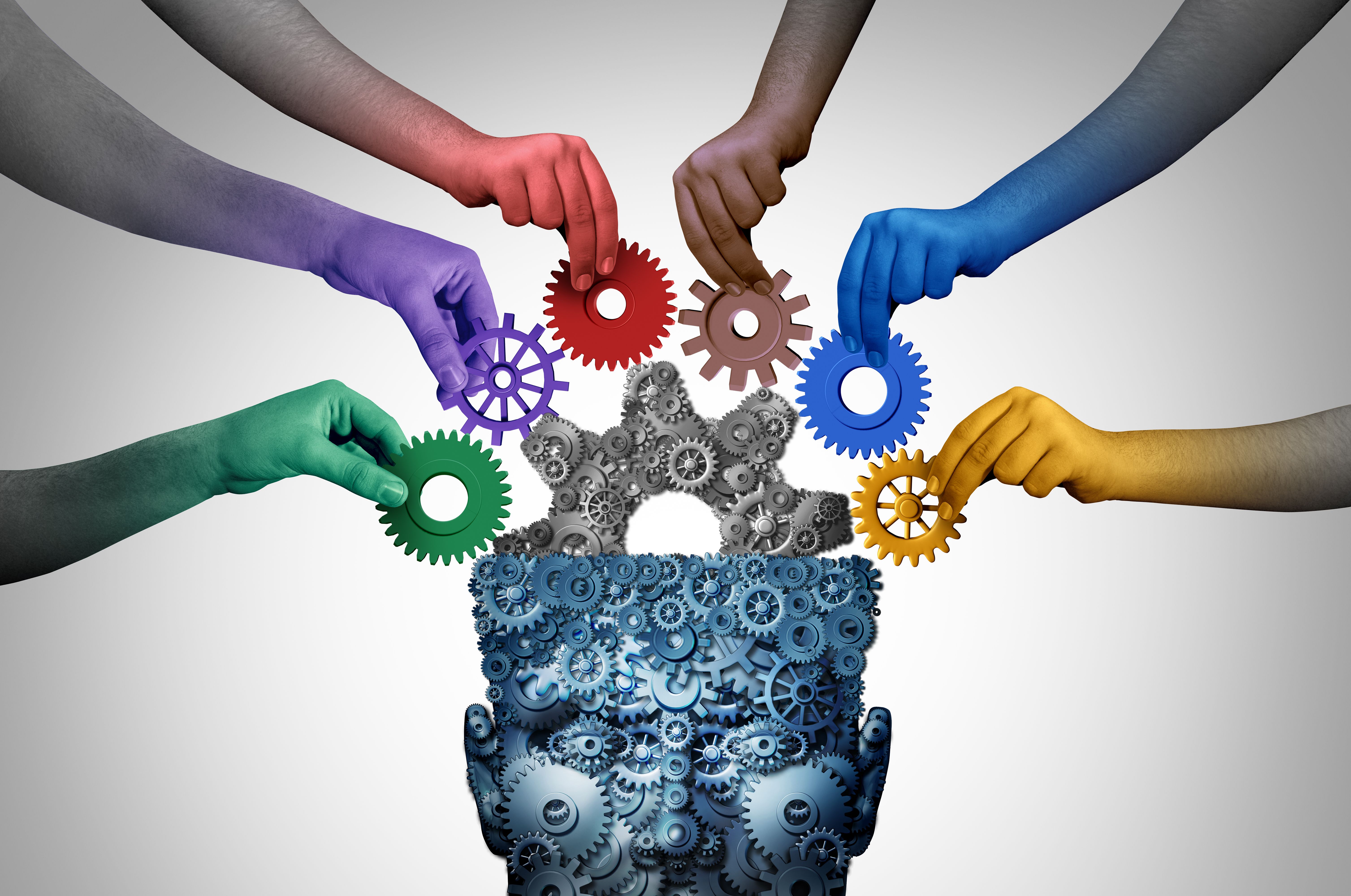
AI can analyze vast amounts of data quickly, identifying patterns and trends that might be difficult for humans to discern. In the context of neurodiverse education, AI can help in:
- Identifying learning preferences and strengths
- Detecting early signs of learning disorders
- Customizing educational plans to individual needs
By leveraging AI's capabilities, educators can create more inclusive and supportive learning environments that cater to the unique needs of neurodiverse students.
Early Identification and Intervention
One of the most significant advantages of using AI in educational pre-screening is the early identification of potential learning challenges. AI algorithms can process behavioral data, academic performance, and other relevant metrics to provide early warnings about conditions such as dyslexia, ADHD, or autism.
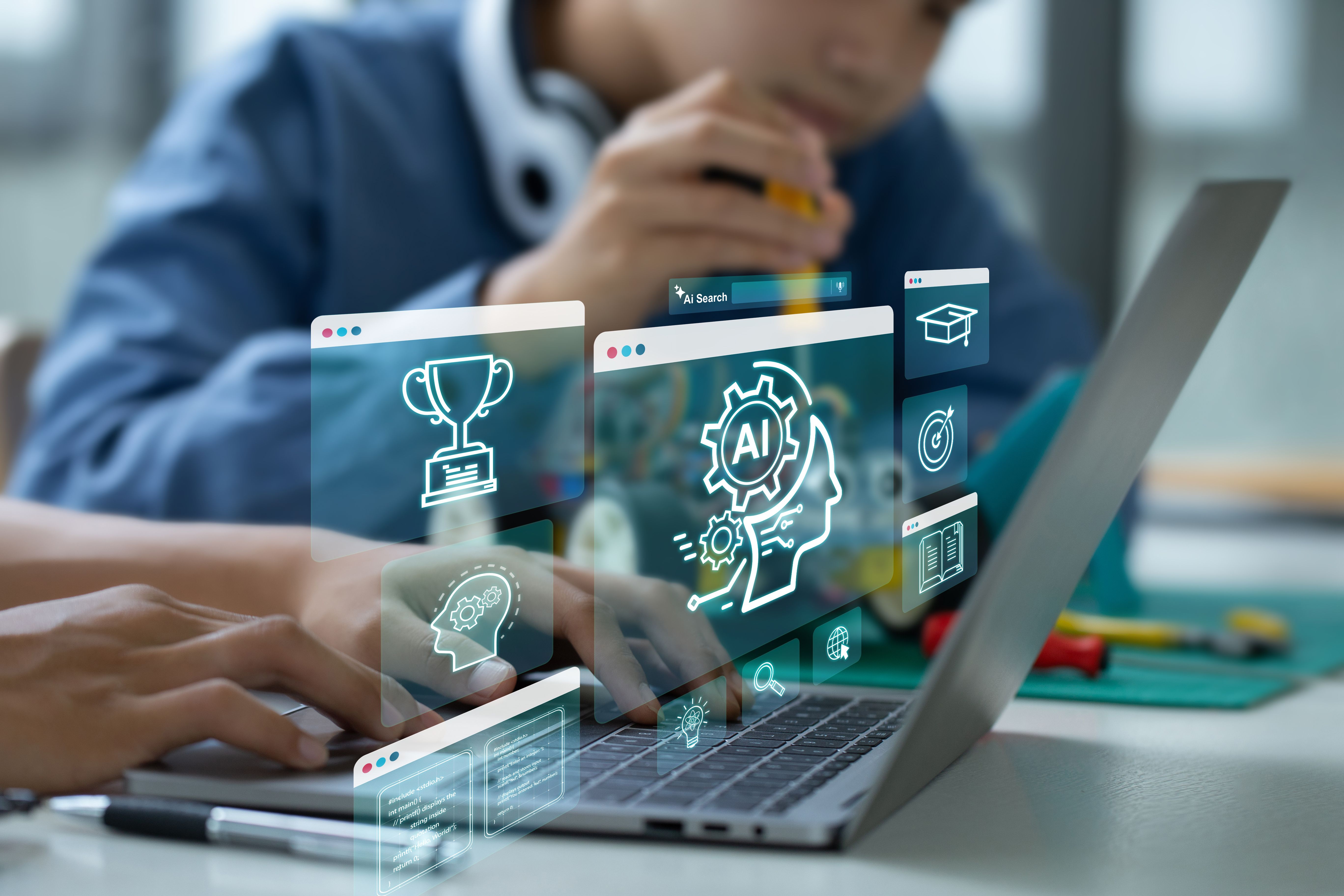
Early intervention is crucial in addressing these challenges before they become more pronounced, allowing educators to implement strategies that support the student's learning journey effectively.
Customizing Learning Experiences
AI's ability to personalize learning experiences is particularly beneficial for neurodiverse students. By analyzing data on how students interact with educational materials, AI can recommend specific resources or teaching strategies that align with their learning styles.
For instance, visual learners might benefit from interactive videos and infographics, while others might prefer text-based resources. This tailored approach helps students engage more deeply with the material, improving both comprehension and retention.
Challenges and Considerations
While AI presents many opportunities, it's essential to consider the ethical implications and potential biases in AI algorithms. Ensuring that AI tools are designed with inclusivity and fairness in mind is crucial to avoid reinforcing existing inequalities.
Moreover, the integration of AI in educational settings should complement, not replace, the human touch. Teachers and educators play a vital role in interpreting AI insights and applying them in a compassionate and understanding manner.
The Future of AI in Neurodiverse Education
The role of AI in neurodiverse educational pre-screening is just beginning to unfold. As technology advances, its potential to transform educational experiences for neurodiverse students is immense. By embracing AI, educators can foster an environment where every student has the opportunity to succeed, regardless of their neurological differences.
Continued collaboration between AI developers, educators, and neurodiverse advocates will be essential in shaping a future where education is truly inclusive and empowering for all learners.