Privacy in Educational Assessments: Ensuring Confidentiality in Neurodiverse Testing


Understanding the Importance of Privacy in Educational Assessments
In today's diverse educational landscape, ensuring the privacy of students during assessments, especially for those who are neurodiverse, is crucial. With the increasing use of technology in education, safeguarding personal data has become a priority for educators and institutions. Protecting this information not only complies with legal standards but also fosters trust among students and their families.
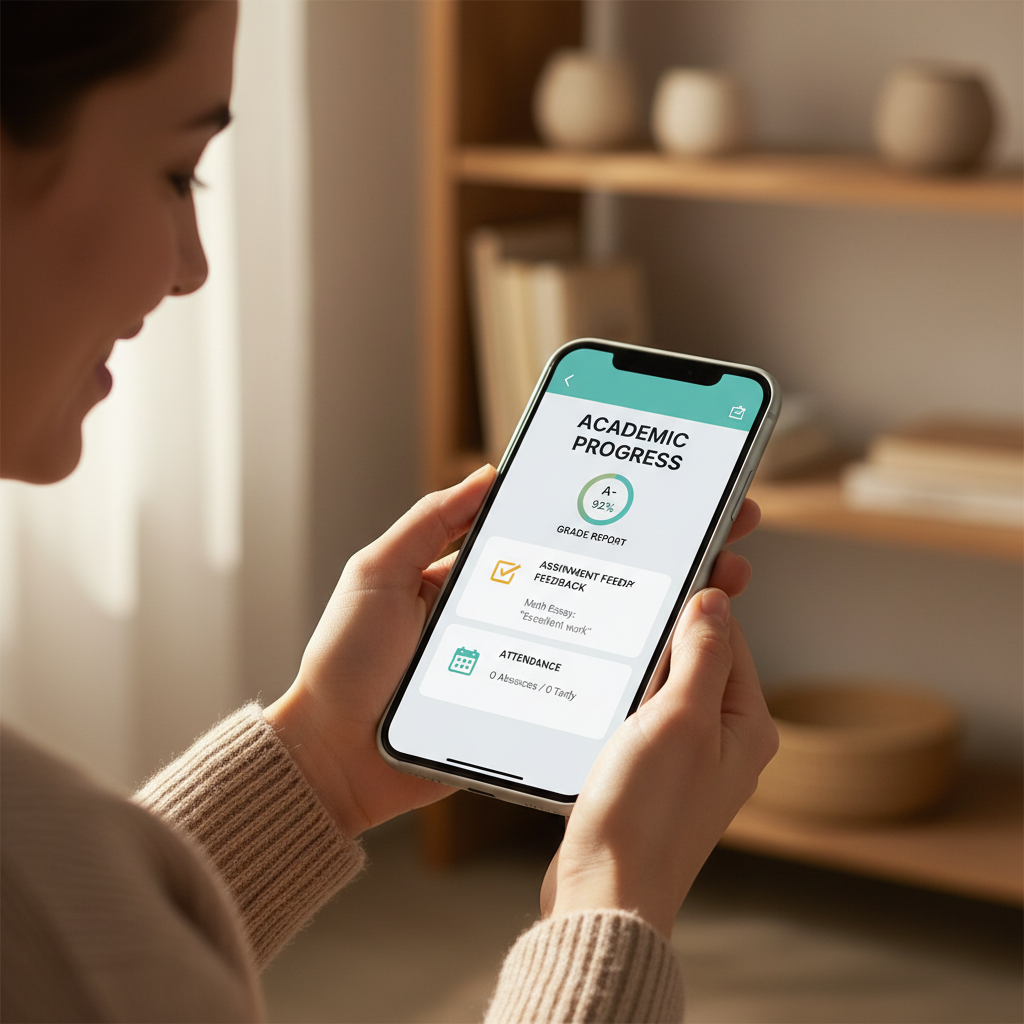
Neurodiverse students, who may have conditions such as autism, ADHD, or dyslexia, often require specialized assessments. These assessments are designed to cater to their unique learning styles and needs. However, with this tailoring comes the responsibility to handle their data with the utmost confidentiality.
Legal Frameworks and Ethical Considerations
Various legal frameworks exist to protect student data, such as the Family Educational Rights and Privacy Act (FERPA) in the United States. This act provides guidelines on how educational institutions should handle and store student information. Adherence to these laws is essential to prevent unauthorized access and data breaches.
Beyond legal requirements, ethical considerations play a vital role in maintaining confidentiality. Educational institutions must ensure that their policies reflect a commitment to privacy, going beyond compliance to genuinely protect student interests.
Implementing Effective Privacy Measures
There are several strategies that schools and educational bodies can implement to enhance privacy during assessments:
- Data Encryption: Encrypting data ensures that it remains secure during transmission and storage.
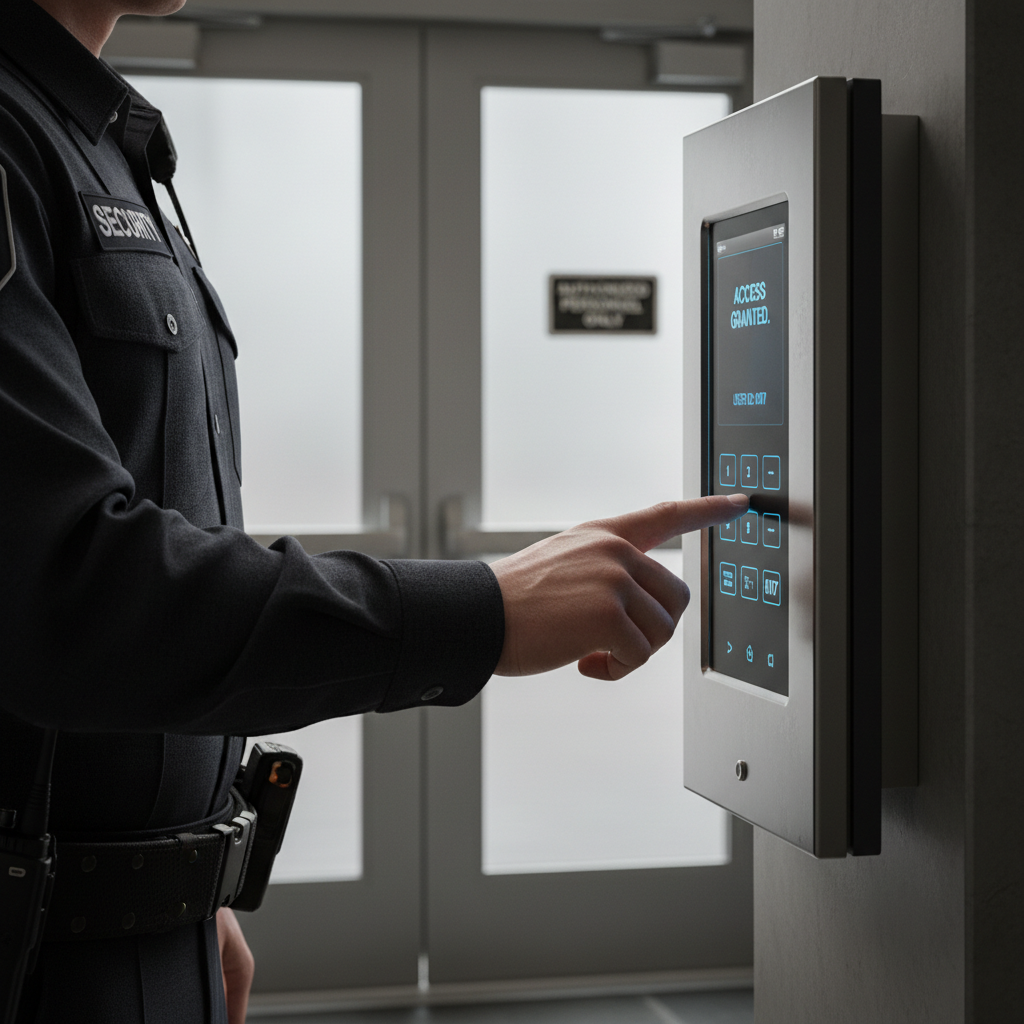
- Access Controls: Limiting access to sensitive information to only those who need it is crucial.
- Regular Audits: Conducting audits helps identify potential vulnerabilities in data handling processes.

Furthermore, training staff on privacy protocols and raising awareness about the importance of data protection can significantly reduce risks. These measures collectively contribute to a secure and reliable assessment environment for neurodiverse students.
The Role of Technology in Protecting Privacy
Technology can be both a tool and a challenge in maintaining privacy. On one hand, digital platforms enable efficient assessment delivery. On the other hand, they can be vulnerable to data breaches if not properly secured. Educational technology providers must prioritize security features in their products to protect student data.
Incorporating advanced security measures such as two-factor authentication and secure data storage solutions can further enhance privacy protections. These technologies offer a robust framework to keep sensitive information safe from unauthorized access.
Building Trust with Students and Families
Maintaining privacy in educational assessments is also about building trust with students and their families. When students feel confident that their personal information is protected, they are more likely to engage openly in assessments. This trust is particularly important for neurodiverse students, who may already face challenges in traditional educational settings.
Clear communication about privacy policies and practices helps reassure families that their children’s data is in safe hands. This transparency is a key factor in fostering a supportive and inclusive educational environment.
Conclusion
Ensuring confidentiality in neurodiverse testing is a multifaceted challenge that requires a combination of legal compliance, ethical practice, and technological innovation. By prioritizing privacy, educational institutions not only protect sensitive information but also create an environment where all students, regardless of their learning needs, can thrive.