Innovative Trends in Neurodiverse Educational Testing


Understanding Neurodiversity in Education
In recent years, the concept of neurodiversity has gained significant attention in educational settings. This approach recognizes that neurological differences like autism, ADHD, and dyslexia are natural variations of the human brain. Educators and researchers are now focusing on innovative trends in neurodiverse educational testing to better cater to the needs of all students.
Neurodiverse educational testing aims to provide a more inclusive and personalized assessment experience. It acknowledges the unique strengths and challenges of each student, moving away from traditional one-size-fits-all testing methods.
Personalized Learning Pathways
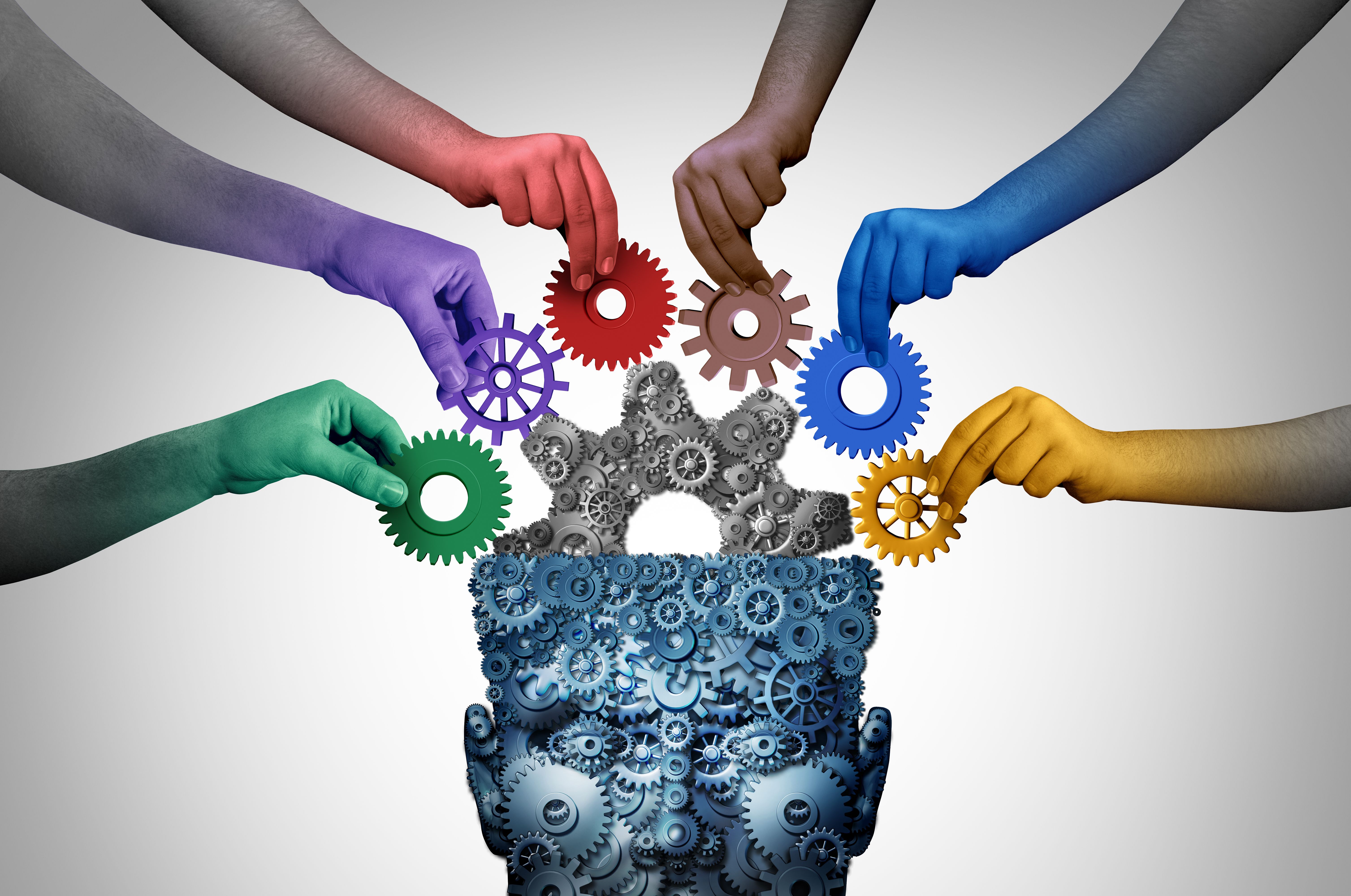
One of the most exciting trends is the development of personalized learning pathways. These are tailored educational plans that align with a student's individual strengths and weaknesses. Advanced algorithms assess data from various sources to create a customized learning experience.
Personalized learning pathways offer several benefits, including increased student engagement and improved academic outcomes. By focusing on individual needs, educators can ensure that every student has the opportunity to thrive.
Role of Technology
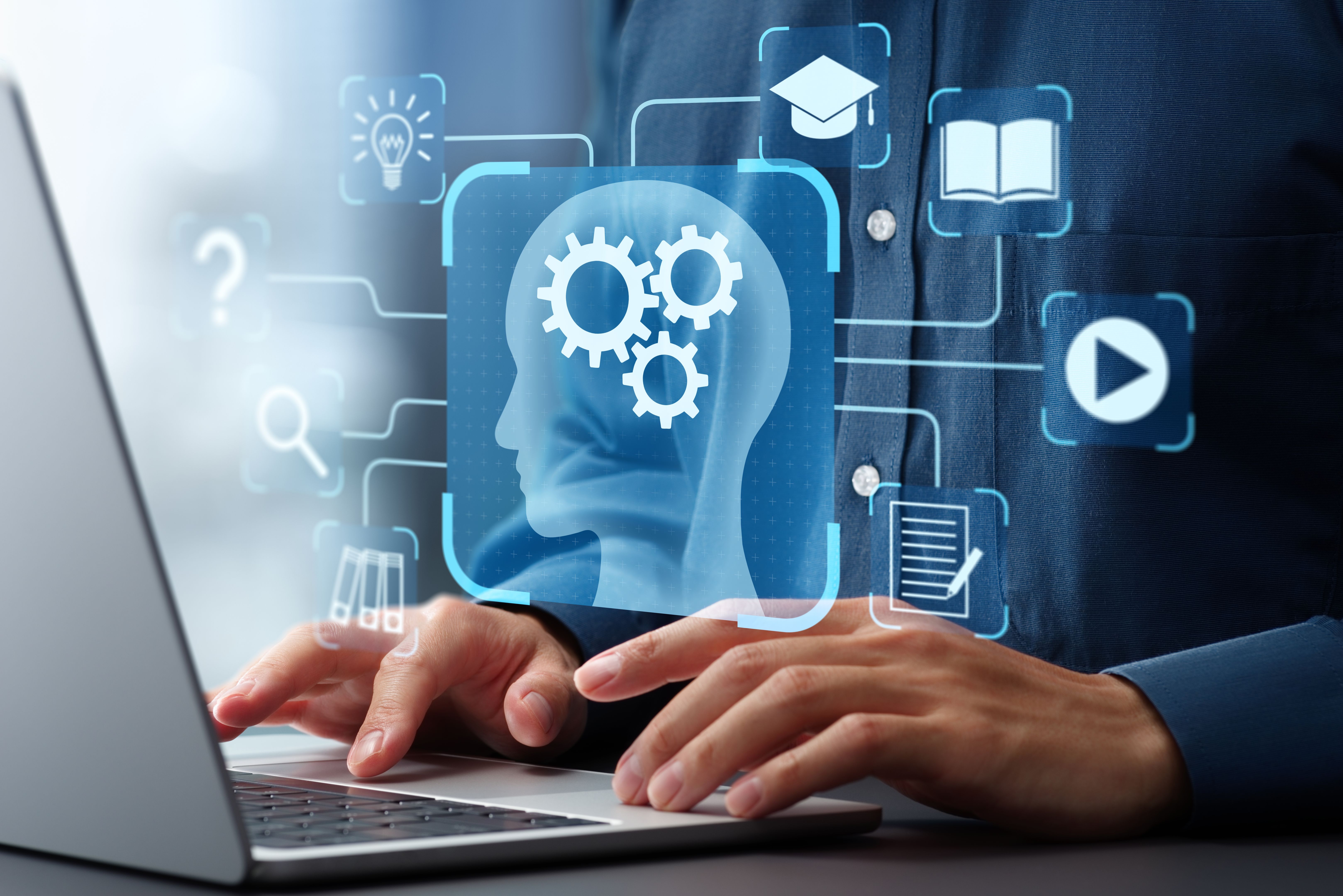
Technology plays a crucial role in facilitating personalized learning pathways. With tools like artificial intelligence and machine learning, educators can gather and analyze data more effectively. This technology helps in identifying patterns and predicting future learning needs, making it easier to adapt teaching methods accordingly.
Inclusive Assessment Methods
Innovative trends also include the development of more inclusive assessment methods. Traditional testing often fails to capture the diverse abilities of neurodiverse students. New assessments aim to evaluate a broader range of skills, including creativity, problem-solving, and emotional intelligence.

These assessments often use multimedia tools and interactive platforms to engage students in ways that traditional tests cannot. By incorporating different formats, such as video responses and interactive simulations, educators can gain a deeper understanding of a student's abilities.
Collaborative Approaches
Another trend is the emphasis on collaborative approaches in testing. Educators, parents, and students work together to create a supportive environment that fosters learning. This collaboration ensures that students feel comfortable and confident during the assessment process.
By involving multiple stakeholders, the assessment process becomes more comprehensive and reflective of a student's true abilities. This holistic approach helps in creating a more supportive educational environment for neurodiverse learners.

Future Directions
The future of neurodiverse educational testing looks promising, with ongoing research and innovation paving the way for more effective methods. As understanding of neurodiversity continues to evolve, educational systems must adapt to meet the diverse needs of all students.
By embracing these innovative trends, educators can create a more inclusive and equitable learning environment. The ultimate goal is to empower every student to reach their full potential, regardless of neurological differences.