Innovative Strategies in Neurodiverse Student Evaluation: A Comprehensive Guide


Understanding Neurodiversity in Education
Educational environments today are increasingly recognizing the importance of accommodating neurodiverse students—those whose neurological development and functioning diverge from typical patterns. This includes students with autism, ADHD, dyslexia, and other conditions. Embracing neurodiversity means valuing the unique perspectives and talents these students bring to the classroom.
Traditional evaluation methods often fall short in assessing the true potential of neurodiverse students. These methods may overlook strengths and focus excessively on areas of difficulty. Innovative strategies are essential to create a more inclusive and accurate evaluation system.
Personalized Assessment Approaches
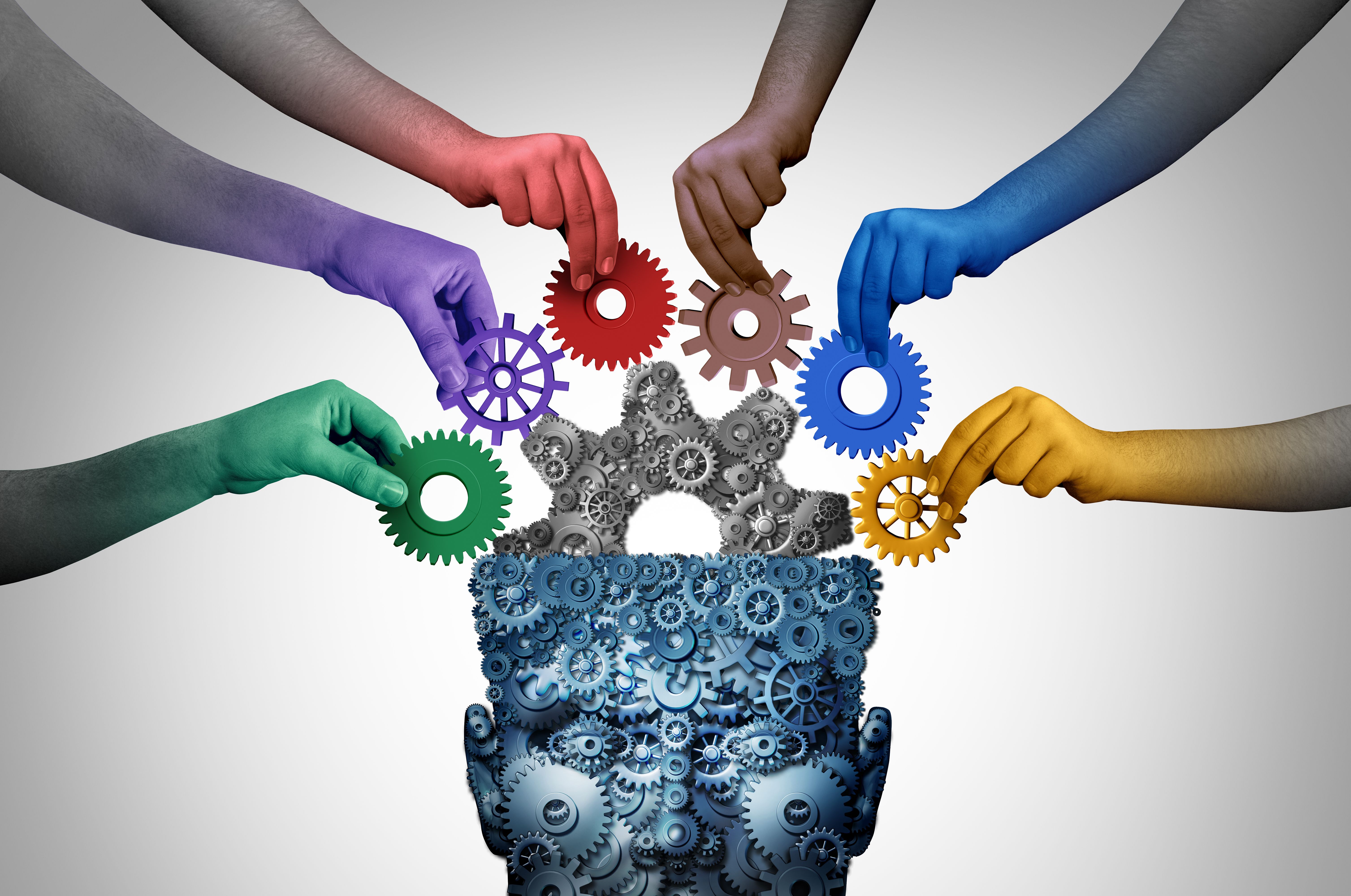
One of the most effective strategies in evaluating neurodiverse students is personalized assessment. This approach tailors evaluation methods to meet individual needs, taking into account the diverse learning styles and strengths of each student. Personalized assessments can include a combination of written, oral, and practical tasks that align with the student’s abilities.
For instance, a student with dyslexia may benefit from oral exams or projects that allow for creative expression. This not only provides a more accurate measure of their understanding but also boosts their confidence and engagement.
Implementing Flexible Timelines
Flexibility in assessment timelines is another crucial aspect. Neurodiverse students often require additional time to process information and complete tasks. Offering extended deadlines or untimed assessments can alleviate pressure and lead to more accurate representations of a student’s capabilities.
Incorporating Technology
Technology plays a vital role in modern evaluation strategies. Tools such as speech-to-text software, interactive apps, and virtual reality can provide alternative ways for neurodiverse students to demonstrate their knowledge and skills. These tools can make learning more accessible and engaging.
Moreover, technology allows for real-time feedback and adaptive learning experiences that can be tailored to individual needs. This immediacy and customization help in identifying areas where students excel and where they may need additional support.
Utilizing Data for Continuous Improvement
Data-driven insights are invaluable in refining evaluation methods. By analyzing performance data, educators can identify trends and patterns that inform future teaching strategies. This continuous feedback loop ensures that evaluation methods evolve in response to the changing needs of neurodiverse students.

Collaboration and Peer Support
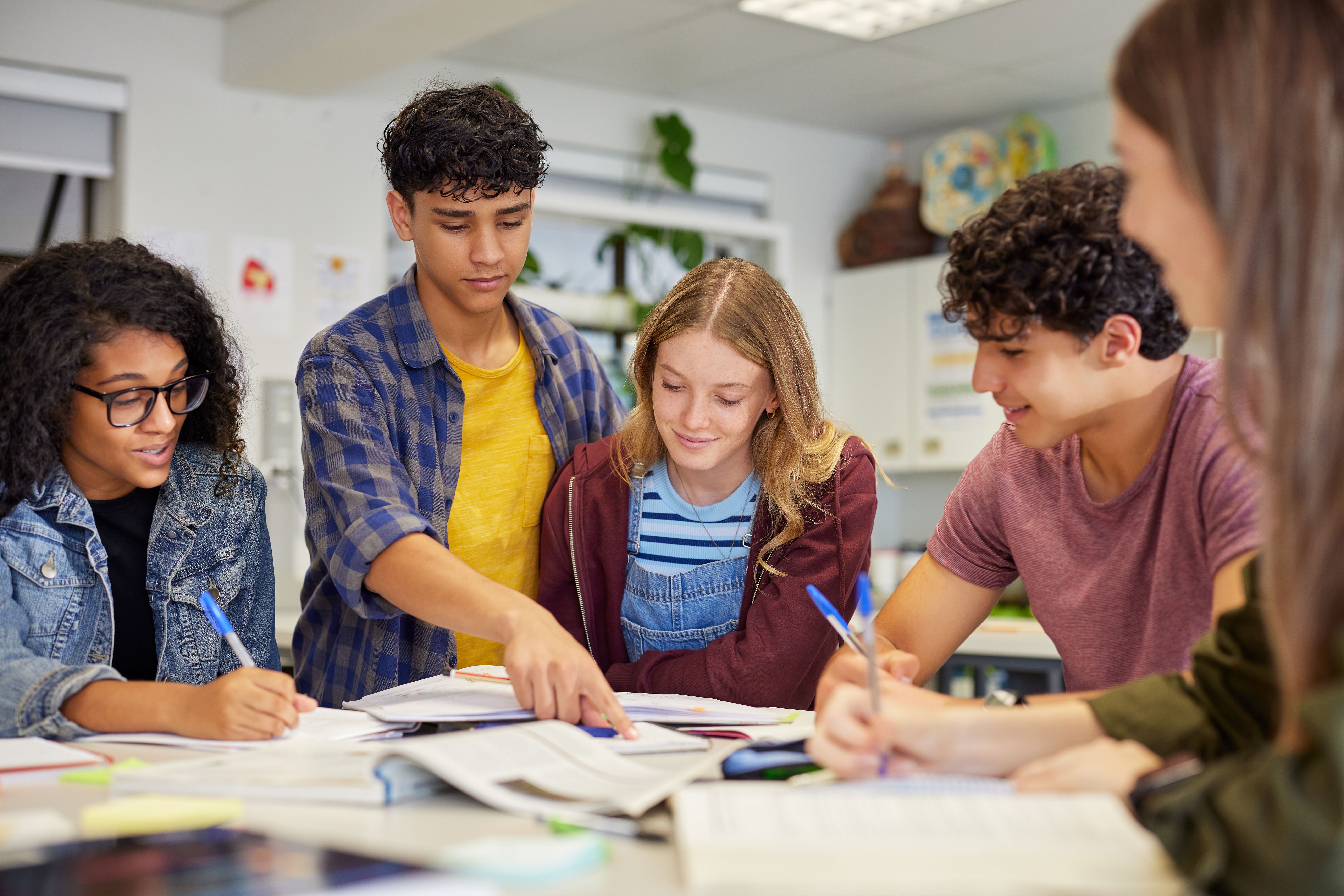
Peer support and collaboration can significantly enhance the evaluation process. Group projects and peer assessments encourage neurodiverse students to engage with classmates, fostering a sense of community and shared learning. These interactions can provide alternative perspectives and insights that enrich the evaluation process.
Educators can also benefit from collaborating with specialists in neurodiversity to develop and refine assessment strategies. This partnership ensures that evaluation methods are not only innovative but also grounded in expert knowledge.
Conclusion: A Path Forward
Incorporating innovative strategies in the evaluation of neurodiverse students is essential for fostering an inclusive educational environment. By embracing personalized assessments, leveraging technology, and encouraging collaboration, educators can create a system that truly reflects the abilities and potential of all students. As educational practices continue to evolve, the focus must remain on flexibility, understanding, and continuous improvement to support every learner's journey.