How to Access Affordable Learning Difference Screenings for Your Child


Understanding Learning Differences
As a parent, it can be challenging to identify if your child has a learning difference. Recognizing the signs early can lead to effective interventions and support. Learning differences can affect a child's ability to read, write, compute, and process information. It's crucial to understand that these differences are not a reflection of intelligence but rather a different way of processing information.
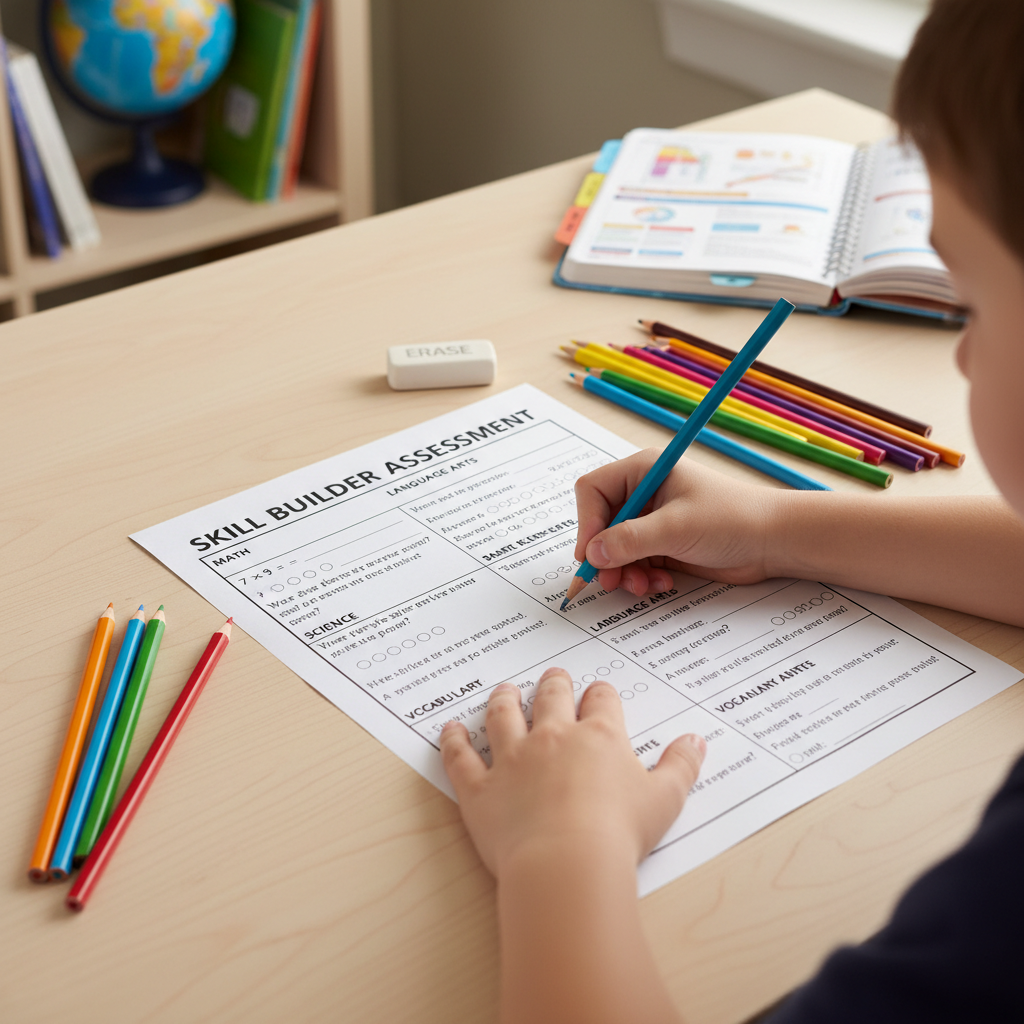
Accessing affordable screenings can be an essential step in addressing your child's needs. Early detection and support can significantly impact their educational journey and overall confidence.

Finding Affordable Screening Options
Many parents worry about the cost of screenings and evaluations. Fortunately, there are several ways to access affordable or even free assessments.
Public School Resources
Public schools often provide free evaluations for learning differences. Under the Individuals with Disabilities Education Act (IDEA), schools are required to assess children who may need special education services. Contact your child's school to learn about the assessment process and available resources.
Nonprofit Organizations
Various nonprofits offer affordable screenings. Organizations like the Learning Disabilities Association of America and local learning centers can provide support and guidance. They often have resources or partnerships that can reduce costs.
Utilizing Health Insurance and Community Resources
Your health insurance may cover some or all of the costs associated with learning difference screenings. Check with your provider to understand your benefits and what services are included.
Additionally, many communities have clinics or universities with programs that offer low-cost evaluations. These programs are often run by students in training, supervised by licensed professionals, providing high-quality assessments at reduced fees.
Online Screenings
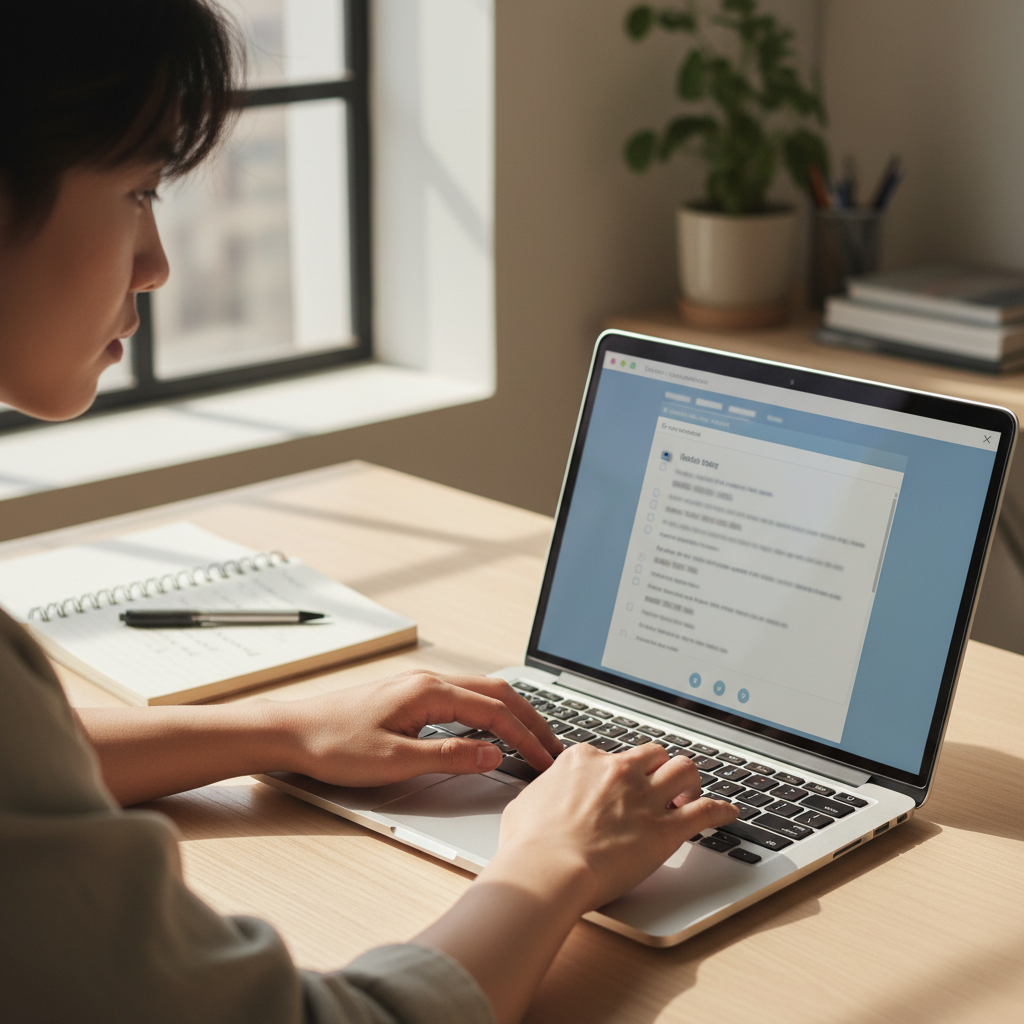
There are also online platforms offering preliminary screenings. While these are not a substitute for professional evaluations, they can provide a starting point for understanding your child's needs. Many of these services are either free or available at a low cost.
Advocating for Your Child
Once you've accessed a screening, it's important to advocate for your child's needs. Collaborate with educators and specialists to create an individualized education plan (IEP) or 504 plan if necessary. These plans can tailor educational approaches to best support your child's unique learning style.
Remember, you are your child's best advocate. Stay informed and proactive in seeking out resources and support. By taking these steps, you can help ensure your child receives the education they deserve.
Conclusion
Accessing affordable learning difference screenings for your child doesn't have to be overwhelming. By utilizing public school resources, nonprofits, health insurance, community programs, and online tools, you can find a solution that works for your family. Early detection and intervention are key to helping your child thrive academically and personally.