How AI-Powered Assessments are Revolutionizing Neurodiverse Education


The Rise of AI in Education
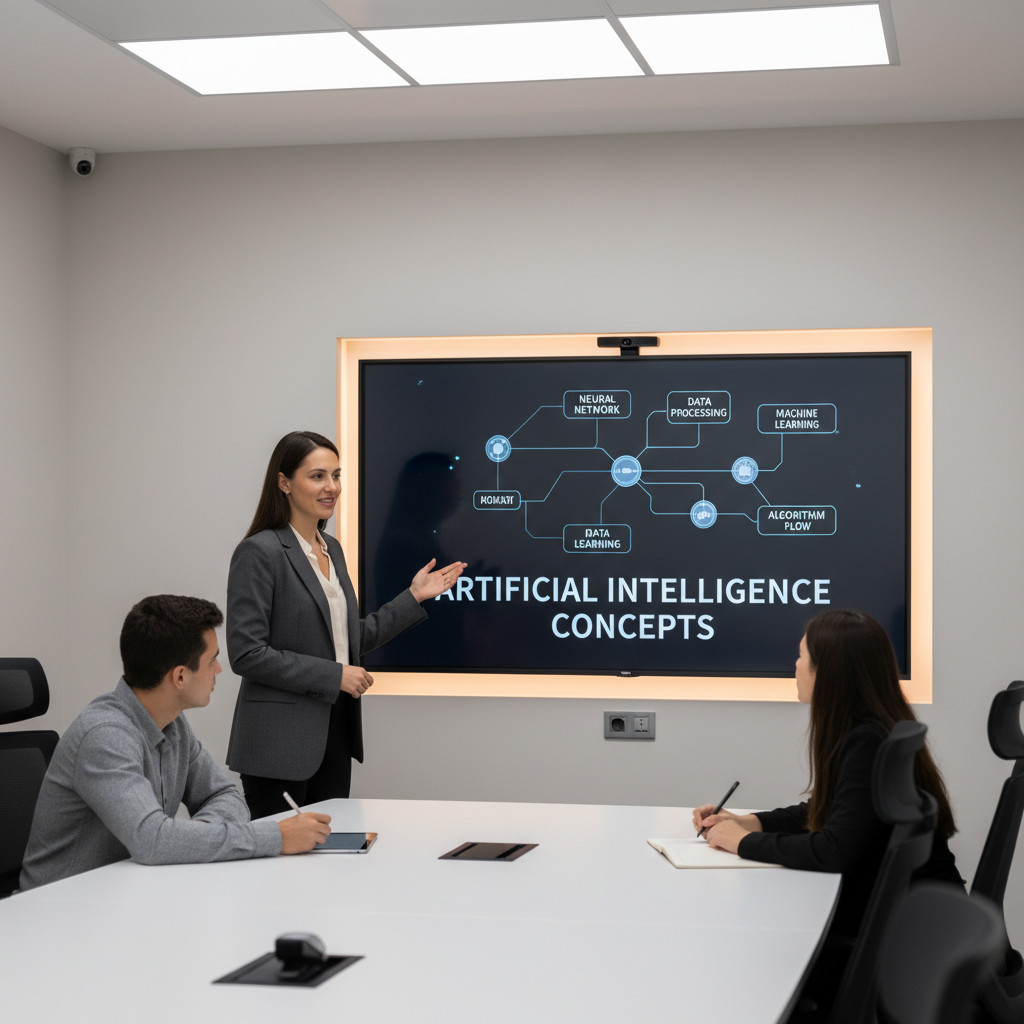
In recent years, the integration of AI-powered tools in education has opened up new possibilities for personalized learning experiences. This is particularly impactful for neurodiverse students, who often require tailored educational approaches to thrive. By leveraging AI, educators can develop more adaptive and inclusive learning environments.
Understanding Neurodiversity
Neurodiversity refers to the diverse spectrum of human brain function and behavior. This includes conditions such as autism, ADHD, dyslexia, and more. Traditional educational methods may not fully address the unique needs of neurodiverse students, often resulting in a one-size-fits-all approach that can hinder their learning potential.
AI-powered assessments are changing this narrative by offering customized insights into each student's learning style and challenges. These tools can analyze data to create individualized learning plans that cater to specific needs, enhancing both engagement and comprehension.
Adaptive Learning Technologies
Adaptive learning technologies are at the forefront of this revolution. By utilizing machine learning algorithms, these platforms can adjust the difficulty and pace of lessons based on real-time feedback from the student. This ensures that students are neither bored nor overwhelmed, providing a balanced learning experience.

For example, if a student with dyslexia struggles with reading comprehension, the AI system can offer additional resources or alternative methods of instruction, such as visual aids or interactive exercises. This flexibility is crucial for fostering a supportive educational environment.
Benefits of AI-Powered Assessments
The benefits of AI-powered assessments in neurodiverse education are numerous. Here are a few key advantages:
- Personalization: Tailored learning experiences that adapt to individual needs.
- Efficiency: Streamlined assessments that provide instant insights and feedback.
- Inclusivity: Accommodations for a wide range of learning abilities and preferences.
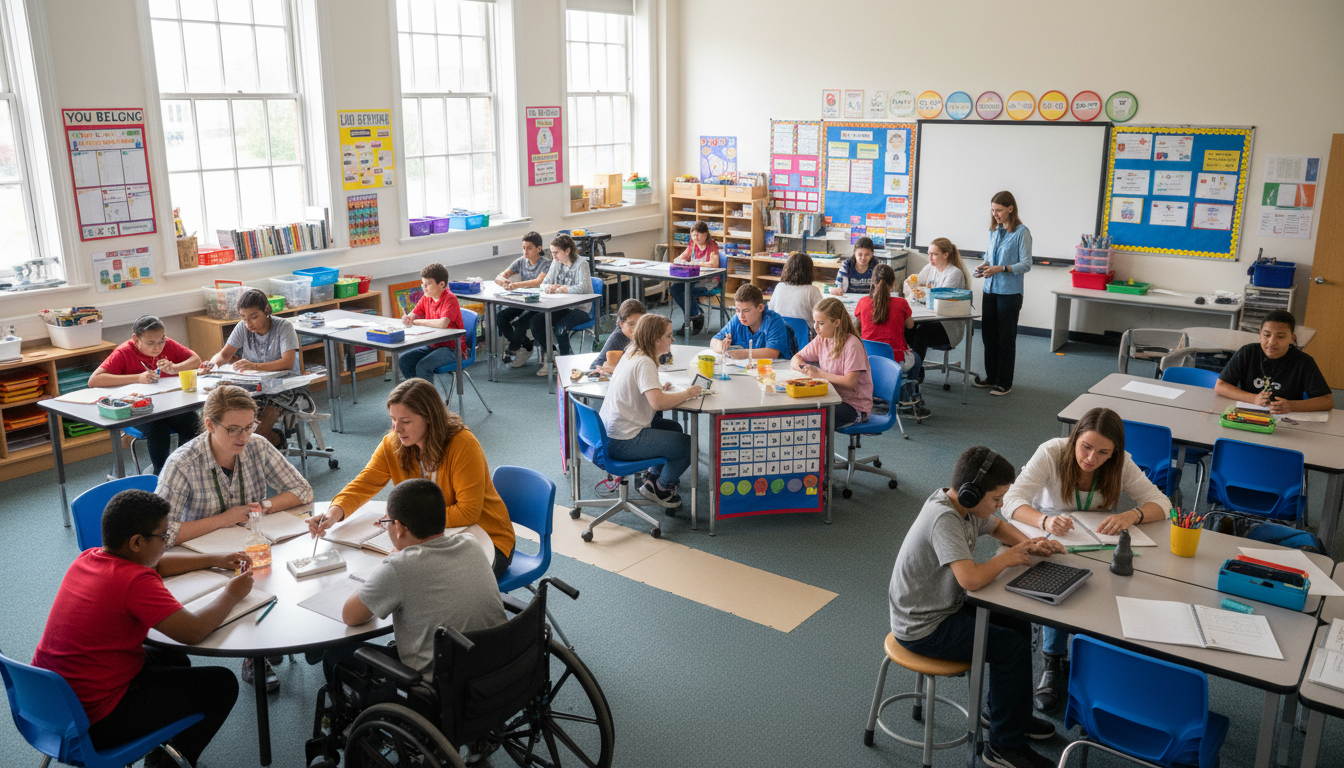
Moreover, these tools promote self-paced learning, allowing students to progress in a manner that suits their unique capabilities. This autonomy can significantly boost confidence and motivation among neurodiverse learners.
Challenges and Considerations
While the advantages are clear, there are challenges to consider. Ensuring data privacy and security is paramount, as these systems handle sensitive information. Additionally, educators must receive proper training to effectively implement and utilize AI tools in the classroom.
Collaboration between educators, parents, and technology developers is essential to address these challenges and to create ethical and effective AI-driven educational solutions.
The Future of Neurodiverse Education
As AI technology continues to evolve, its role in neurodiverse education will likely expand. With ongoing advancements, these tools will become even more sophisticated, offering deeper insights and more robust support for students.
The potential for AI-powered assessments to transform neurodiverse education is immense. By embracing these technologies, educators can ensure that all students have the opportunity to reach their full potential in a supportive and adaptive learning environment.