How AI is Revolutionizing Early Screening for Neurodiverse Conditions


The Rise of AI in Healthcare
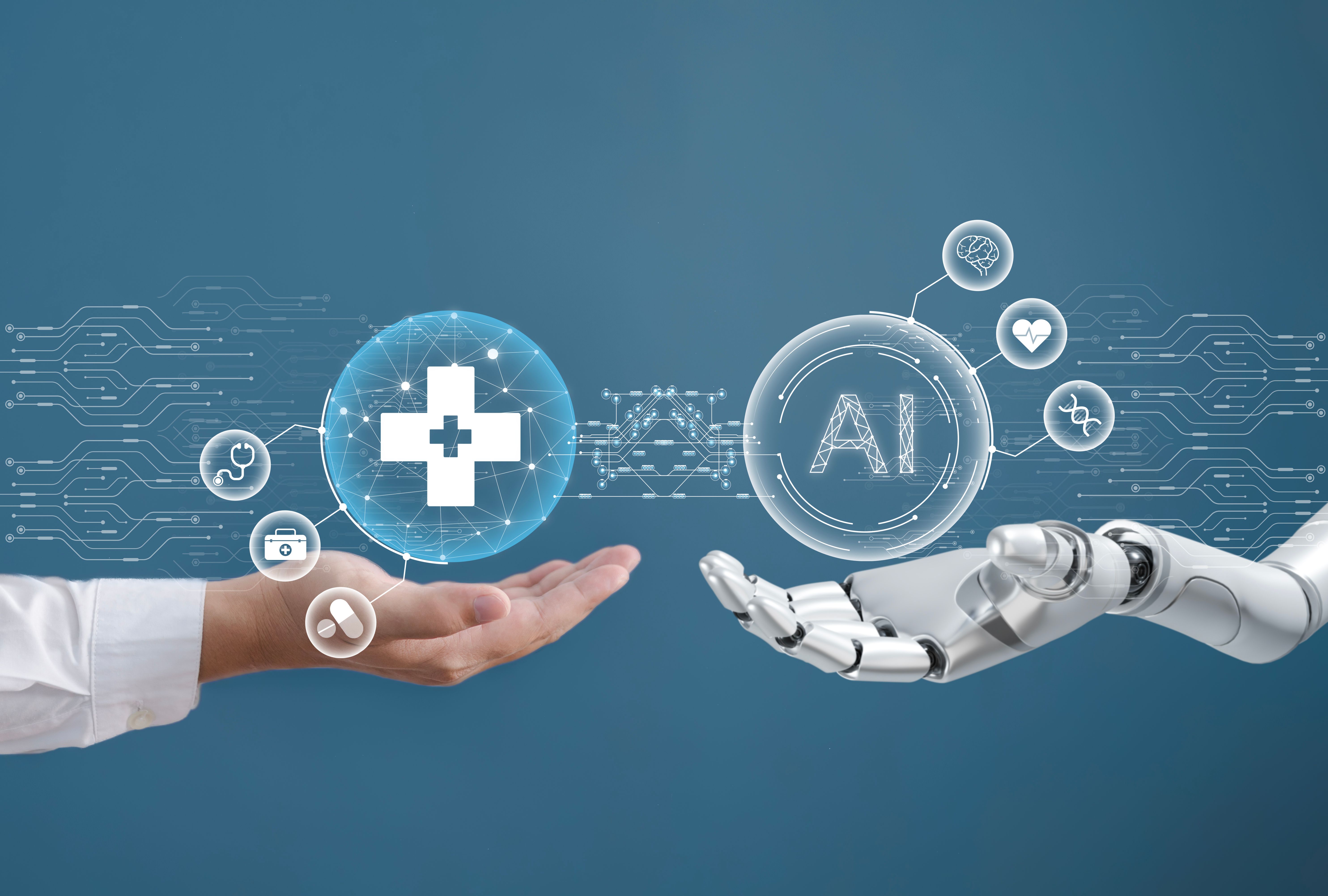
Artificial Intelligence (AI) has emerged as a transformative force across various sectors, and healthcare is no exception. One of the most promising applications of AI in healthcare is the early screening for neurodiverse conditions. Neurodiversity, which includes conditions like autism, ADHD, and dyslexia, affects millions worldwide. Early detection is crucial for effective intervention, and AI is playing a pivotal role in making this possible.
How AI Enhances Early Detection
AI leverages machine learning algorithms to identify patterns that may be indicative of neurodiverse conditions. These algorithms analyze vast amounts of data, including genetic, behavioral, and environmental factors, to provide a comprehensive risk assessment. This capability allows for screening at a much earlier stage than traditional methods.
Moreover, AI tools are not only fast but also remarkably accurate. By reducing human error, they ensure that more individuals are accurately diagnosed. This can lead to earlier intervention and better outcomes for those affected.
Benefits of Early Screening
Early screening for neurodiverse conditions offers numerous benefits. It allows for timely interventions, which can significantly improve quality of life. Early identification also helps in tailoring educational and therapeutic strategies to individual needs, providing a more personalized approach to care.
Furthermore, early detection can alleviate the burden on families and caregivers, offering them support and resources sooner. This proactive approach is essential in fostering an inclusive society where neurodiverse individuals can thrive.

AI Tools and Techniques
Several AI tools and techniques are at the forefront of revolutionizing early screening. These include:
- Natural Language Processing (NLP): Analyzes speech and text patterns to detect anomalies associated with neurodiverse conditions.
- Computer Vision: Uses image and video analysis to evaluate facial expressions and movements.
- Predictive Analytics: Combines data from various sources to predict the likelihood of a condition.
Each of these tools provides unique insights, contributing to a more holistic understanding of neurodiversity.
Challenges and Considerations
While AI offers significant advantages, it also presents challenges. Privacy concerns are paramount, as sensitive personal data is involved. Ensuring data security and compliance with regulations is essential to maintain trust.

Additionally, there's a need for continuous improvement and validation of AI models to ensure they remain accurate and unbiased. Collaboration between technologists, healthcare professionals, and neurodiverse communities is crucial to address these challenges.
The Future of AI in Neurodiversity
The future of AI in early screening for neurodiverse conditions is promising. As technology continues to advance, AI tools will become even more sophisticated, offering deeper insights and more personalized care solutions.
By embracing these technologies, we can move toward a future where neurodiverse individuals are understood and supported from an early age, paving the way for a more inclusive and equitable society.