Comparing Traditional vs. AI-Driven Educational Testing


Introduction
In recent years, the landscape of educational testing has undergone significant changes. The advent of artificial intelligence (AI) has introduced innovative approaches to testing that contrast sharply with traditional methods. This blog post explores the differences between traditional and AI-driven educational testing, highlighting the benefits and challenges associated with each.
Traditional Educational Testing
Traditional educational testing primarily involves standardized tests, such as multiple-choice exams, essays, and practical assessments. These tests are designed to measure a student's knowledge and understanding of specific subjects. While they have been the cornerstone of educational evaluation for decades, they come with certain limitations.
One major challenge of traditional testing is its lack of personalization. Every student receives the same test, regardless of their individual learning style or pace. This can lead to inaccurate assessments of a student's capabilities and learning needs.

AI-Driven Educational Testing
AI-driven testing utilizes advanced algorithms to create adaptive assessments that adjust to a student's performance in real-time. This method offers a more personalized experience by tailoring questions to match the student's skill level. As a result, it can provide a more accurate representation of a student's knowledge.
Another advantage of AI-driven testing is its ability to provide instant feedback. Students receive immediate results, allowing them to understand their strengths and areas for improvement without delay. This feedback loop can enhance learning outcomes by facilitating timely interventions.
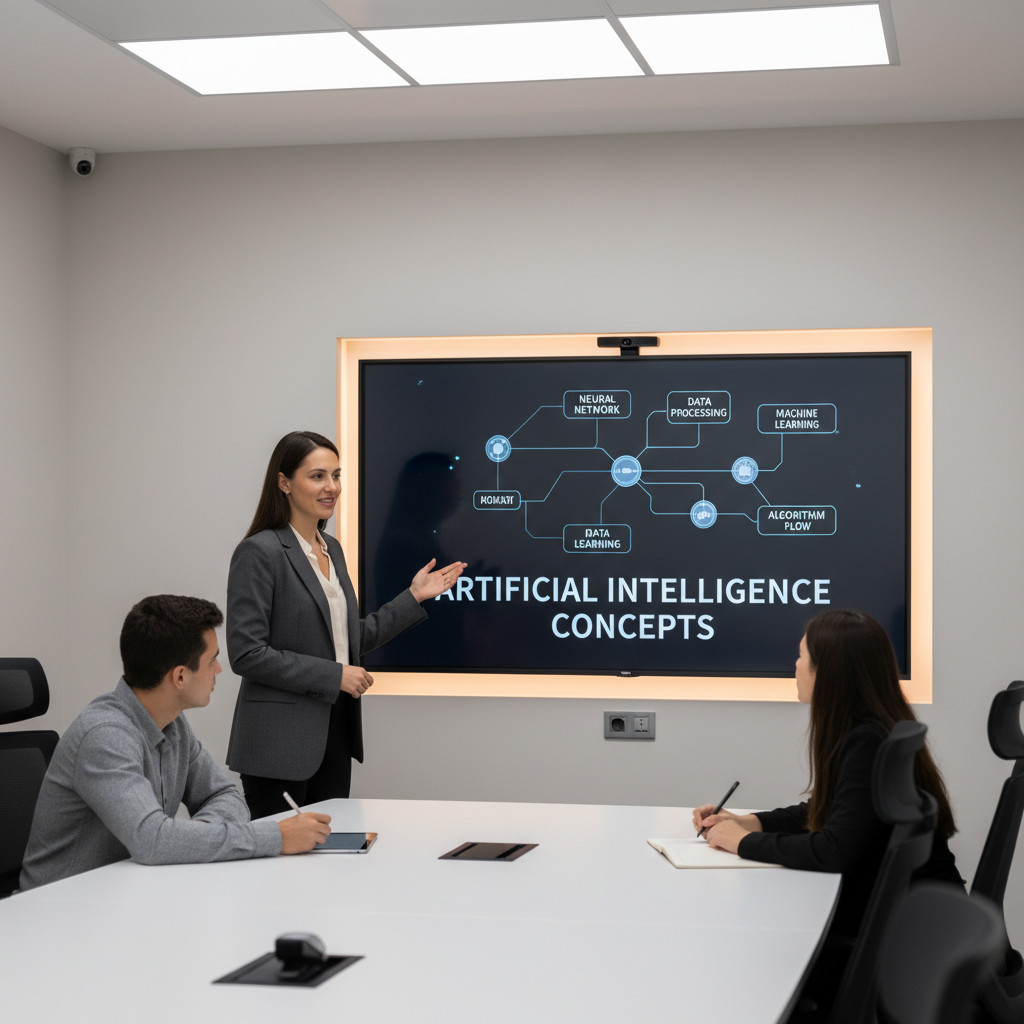
Benefits of AI-Driven Testing
AI-driven testing offers several benefits over traditional methods, including:
- Efficiency: Automating the testing process reduces the time and resources required for administration and grading.
- Scalability: AI systems can handle large volumes of tests, making them suitable for institutions with many students.
- Data-Driven Insights: AI can analyze patterns in student performance, providing educators with valuable insights for curriculum development.
Challenges and Considerations
Despite its advantages, AI-driven testing is not without challenges. One concern is the potential for bias in AI algorithms, which can lead to unfair assessments. Ensuring the algorithms are trained on diverse data sets is crucial to mitigate this risk.
Additionally, the integration of AI technology in schools requires significant investment in infrastructure and training, which can be a barrier for some educational institutions.

Conclusion
Both traditional and AI-driven educational testing have their place in the modern educational landscape. While traditional methods provide a tried-and-true approach to assessment, AI-driven testing offers innovative solutions that can enhance personalization and efficiency. Educators and policymakers must carefully consider the benefits and challenges of each method to make informed decisions about their implementation.