Addressing Common Misconceptions About Neurodiverse Learning Differences


Understanding Neurodiverse Learning Differences
Neurodiversity is a concept that recognizes the varied ways in which people process information and learn. This diversity is often misunderstood, leading to misconceptions about those who learn differently. Let's explore some of these misconceptions and clarify what neurodiverse learning differences truly entail.

Misconception 1: Neurodiverse Individuals Are Less Intelligent
One of the most common misconceptions is that neurodiverse individuals are less intelligent than their neurotypical peers. This couldn't be further from the truth. Many people with learning differences, such as dyslexia or ADHD, possess average or above-average intelligence. They simply process information differently, and this can be an asset in creative problem-solving and innovative thinking.
It's crucial to recognize that intelligence is multifaceted. Individuals who are neurodiverse often excel in areas that require out-of-the-box thinking, creativity, and unique perspectives. Embracing these strengths can lead to success both academically and professionally.
Misconception 2: Neurodiverse Learning Differences Are Rare
Another common belief is that neurodiverse learning differences are rare. In reality, a significant portion of the population exhibits neurodiverse traits. Conditions like autism, dyslexia, and ADHD affect millions of people worldwide. Understanding that these differences are common can foster a more inclusive and supportive environment for all learners.
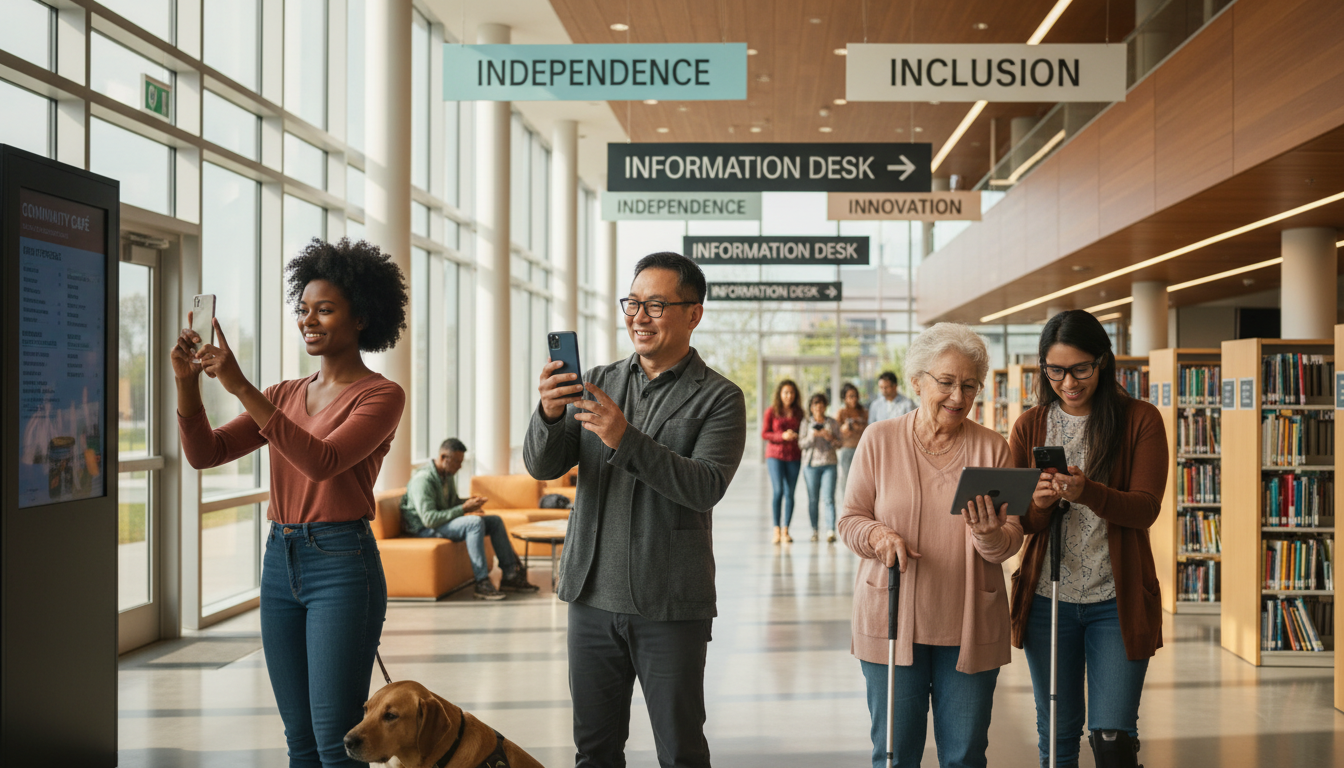
Recognizing the prevalence of neurodiverse learning differences helps educators and employers create more accommodating spaces. By implementing universal design principles, we can ensure that learning and working environments support diverse needs.
Misconception 3: Neurodiverse Individuals Cannot Succeed in Traditional Education
Many people believe that those with neurodiverse learning differences cannot thrive in traditional educational settings. While challenges exist, success is entirely possible with the right support and accommodations. Personalized learning plans, assistive technologies, and educators trained in diversity can make a significant impact.
- Providing extra time for assignments and tests.
- Utilizing visual aids and hands-on learning tools.
- Offering alternative assessment methods.
These strategies can help neurodiverse students demonstrate their knowledge and skills effectively, paving the way for academic success.
Embracing Neurodiversity in Society
Embracing neurodiversity means valuing the unique perspectives and abilities that neurodiverse individuals bring to the table. It involves creating inclusive environments where everyone has the opportunity to thrive. Educational institutions and workplaces that prioritize diversity and inclusion can harness the full potential of all individuals.
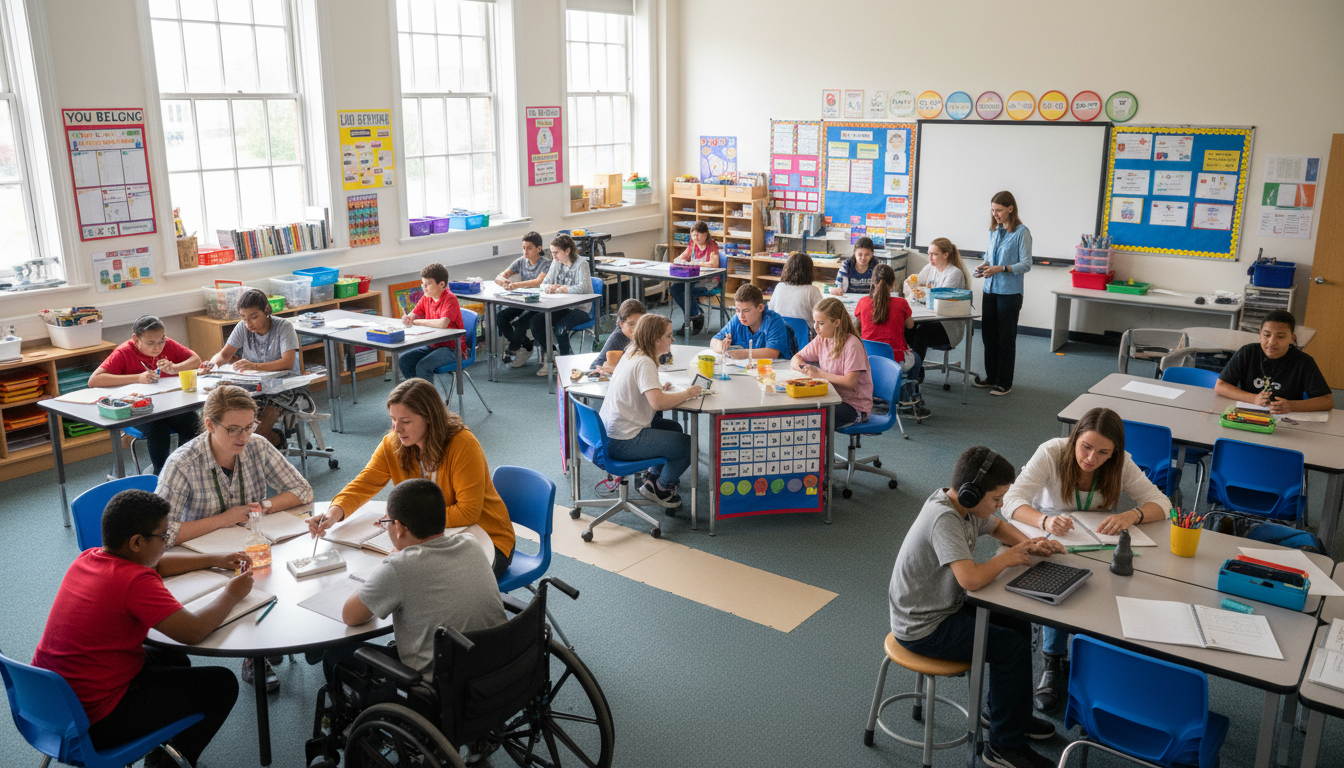
By challenging misconceptions and promoting understanding, we can foster a more inclusive society. Neurodiverse individuals have a lot to offer, and by supporting them, we enrich our communities and drive innovation.