A Comprehensive Guide to Pre-Screening for Neurodiverse Learning Differences


Understanding Neurodiverse Learning Differences
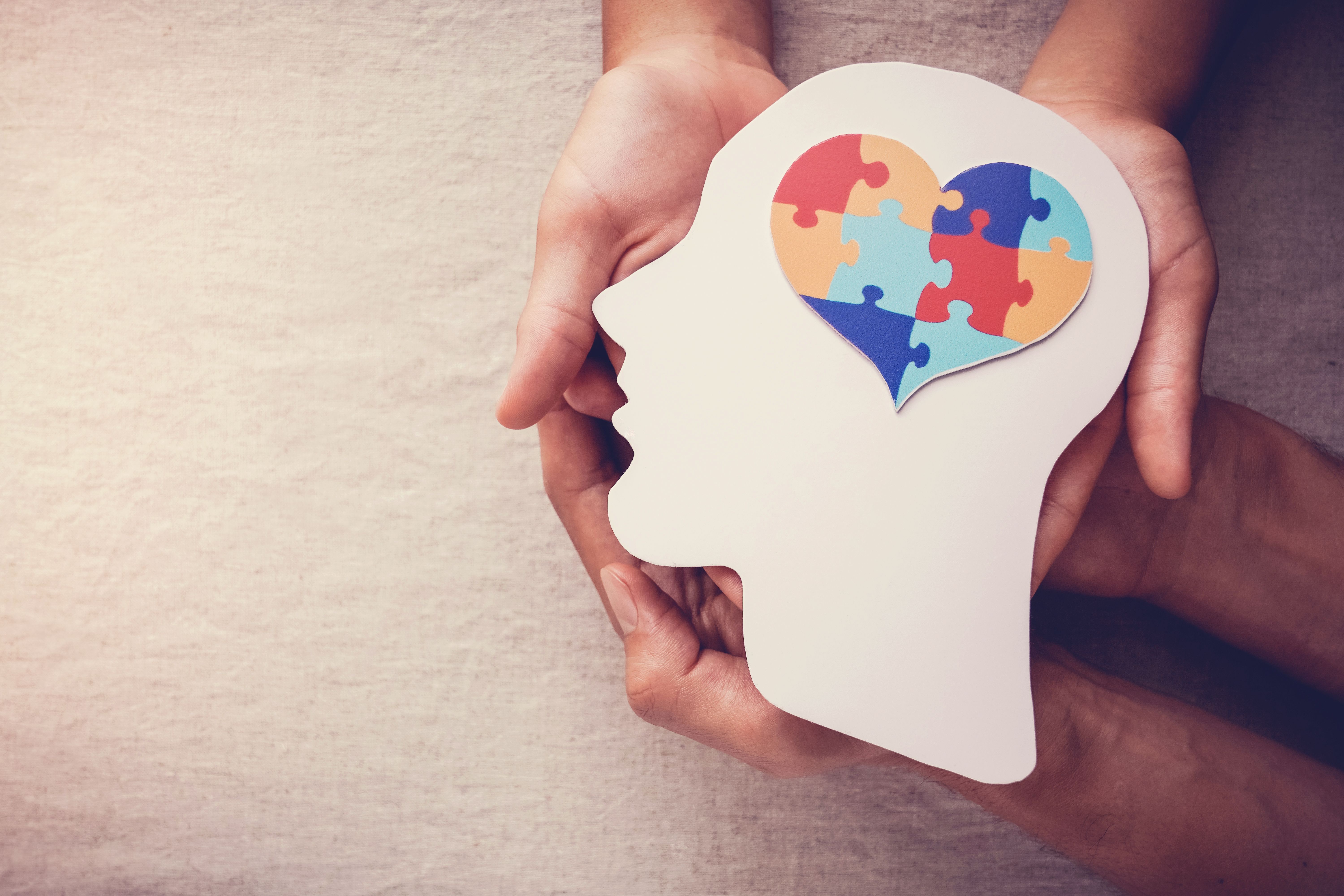
Neurodiversity refers to the concept that neurological differences, such as autism, ADHD, dyslexia, and others, are natural variations of the human brain. These differences can affect how individuals learn, process information, and interact with the world around them. Understanding these differences is the first step toward fostering an inclusive and supportive learning environment.
The Importance of Pre-Screening
Pre-screening for neurodiverse learning differences is crucial in identifying the unique needs of students. Early identification can provide insights into the most effective teaching strategies and accommodations. This proactive approach can significantly enhance educational outcomes by ensuring that all learners have access to the resources they need to thrive.
Common Signs of Learning Differences
Identifying learning differences early can make a substantial difference. Some common signs include:
- Difficulty with reading or writing
- Challenges in understanding mathematical concepts
- Trouble following instructions
- Struggles with organization and time management
Recognizing these signs can prompt further assessment and support.

Methods for Pre-Screening
There are several methods used in pre-screening for neurodiverse learning differences. These methods often include standardized tests, observational assessments, and input from teachers and parents. Each method provides valuable insights into a child’s unique learning profile.
Standardized Testing
Standardized tests can help identify specific areas of difficulty by comparing a child's performance to that of their peers. These tests are useful for highlighting discrepancies in learning and understanding.
Observational Assessments
Observational assessments involve watching how a student interacts in a learning environment. This method provides context to the child’s learning behaviors and can highlight areas where they may struggle or excel.

Creating a Supportive Environment
Once learning differences are identified, creating a supportive environment is essential. This involves adapting teaching methods to cater to diverse learning styles and ensuring that all students feel valued and understood.
Adapting Teaching Methods
Teachers can adapt their methods by incorporating multisensory approaches, breaking tasks into manageable steps, and providing regular feedback. These strategies can make learning more accessible and engaging for neurodiverse students.
Building an Inclusive Culture
An inclusive classroom culture celebrates diversity and encourages all students to share their unique perspectives. This not only supports neurodiverse students but enriches the learning experience for everyone.

Conclusion
Pre-screening for neurodiverse learning differences is a vital step in creating an educational environment where every student can succeed. By recognizing and understanding these differences early on, educators and parents can work together to provide the necessary support and resources to help all learners reach their full potential.